CAP- RONS technology
Mechanism and Efficacy
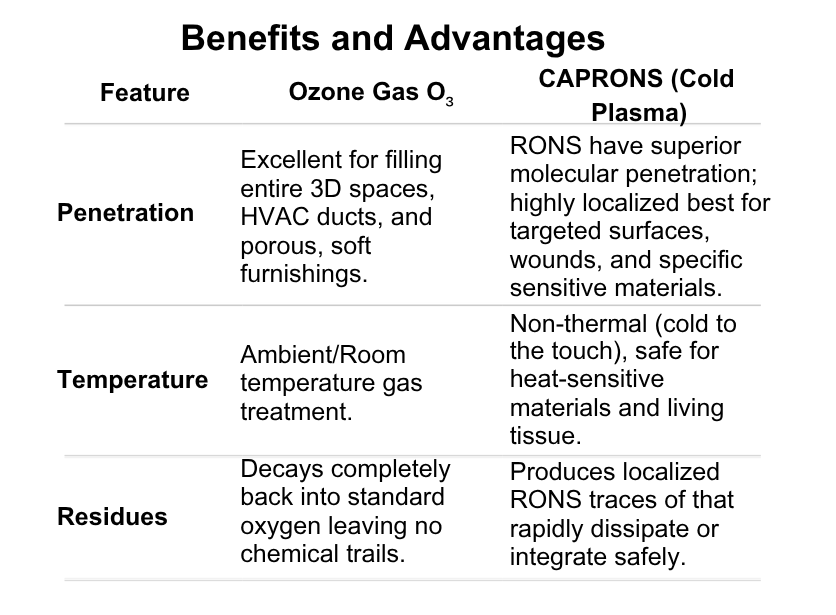
- RONS vs. Ozone: CAP produces a rich mixture of reactive oxygen species (ROS) and reactive nitrogen species (RNS), electrons, and UV photons, whereas ozone (O₃) relies strictly on a single oxygen-based oxidant.
- DON Reduction: CAP treatments with rapid degradation of DON (achieving 48% to over 60% reduction in minutes) on grains, without heavily altering core nutritional profiles, while ozone gas often requires much higher concentrations or long exposures that can risk grain quality degradation.
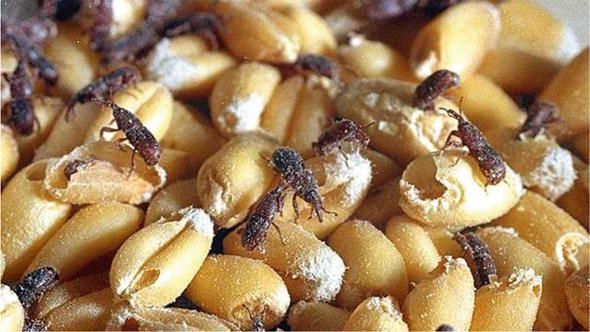
- Pest Control: CAP
ionized gas induces high mortality rates (82–92%) in stored-grain insect
pests across various life stages through direct cellular and membrane
damage, comparable or superior to prolonged gaseous ozone fumigation which
requires higher strict ppm management to prevent equipment corrosion.
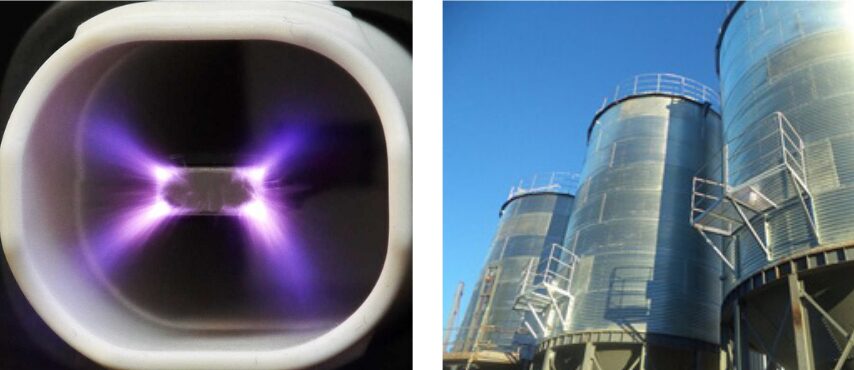
CAP-RONS or O₃ or Combo
THE CHOICE IS YOURS!
Direct Financial Benefits
- Zero chemical purchase costs: Eliminates recurring expenses for synthetic fumigants and restricted pesticides.
- On-site generation savings: Reduces logistics and delivery fees. Produced on demand using electricity and ambient air.
- Loss prevention: Stops mold growth, insect infestations, and rodent activity before they ruin bulk inventory.
Superior Elimination of Pests and Weevils
- Full Penetration: Gaseous O₃ and RONS easily flow to reach hidden pockets.
- All-Stage Eradication: Target and kill adult insects, larvae, and eggs inside the silo.
- ”Green” Chemical Alternative: Replaces highly toxic and hazardous fumigants.
Destruction of Molds and Mycotoxins
- Fungal Deactivation: Deactivates mold spores on the grain surfaces and silo walls, halting spoilage.
- Toxin Breakdown: Powerful oxidation chemically alters and destroys dangerous mycotoxins.
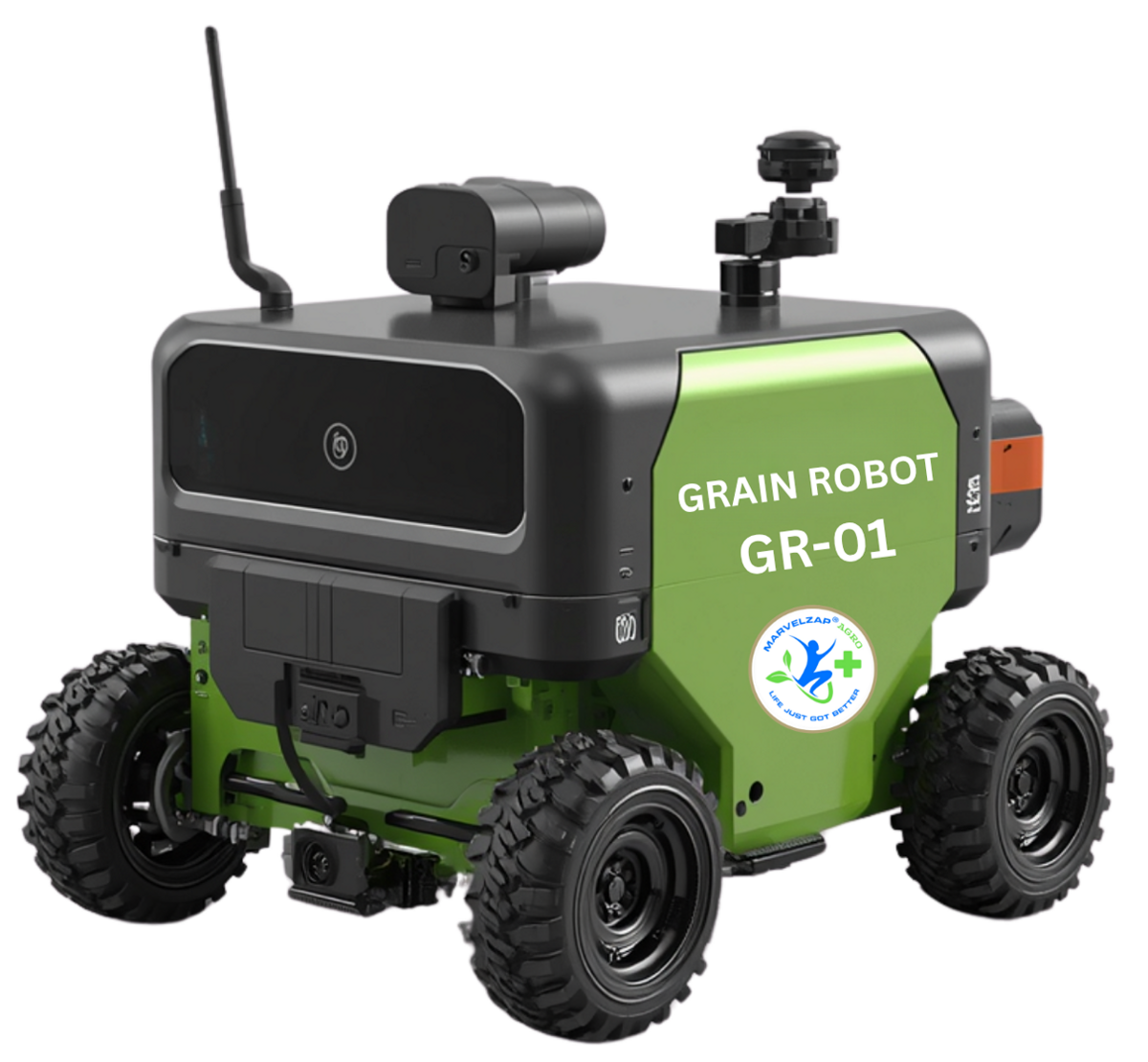
CAP-RONS gas for Pests Control
- Bypassing the Insect's Defense Mechanism
- Shorter contact time, faster killing when exposed to a harsh oxidizer (like pure ozone), grain insects (such as Weevils or Beetle larvae) detect the threat and instinctively close their spiracles (breathing pores) to hold their breath
- The RONS "Trojan Horse" Effect: RONS trick or chemically force the insect's nervous system into keeping its spiracles open, allowing the gas mixture to easily flood its respiratory tract.
- Internal Cellular Damage: Once inside the insect, triggers peroxynitrite formation and massive internal lipid peroxidation.